Province Of Alberta: Revitalizing Iconic Ski Resorts. Castle, Fortress And Nakiska Have Been Designated As Alberta’S First All-Season Resort Areas,
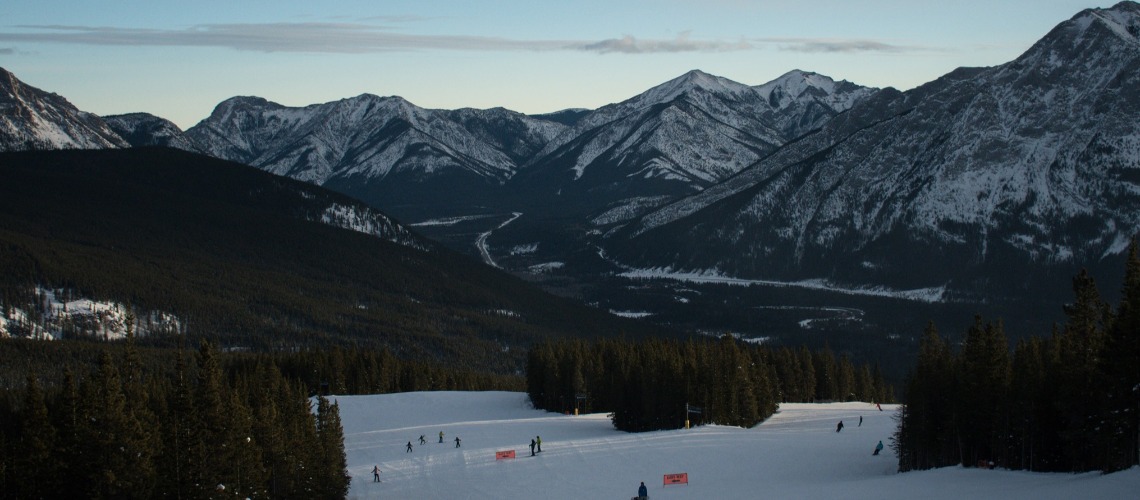
Alberta has officially designated Castle Mountain, Fortress Mountain and Nakiska as the province’s first “all‑season resort areas,” clearing the way for year‑round development and expanded tourism offerings while triggering fresh debate over jobs, infrastructure and environmental protection.
Alberta’s government announced the move this week as part of a broader push to grow the province’s tourism economy, saying the designations allow the three mountain sites to apply for expanded, year‑round operations that could include hiking, mountain biking, zip‑lining and other non‑winter recreation. The announcement was framed as a milestone in the province’s All‑Season Resorts strategy and a step toward boosting tourism revenue and job creationGlobal News.
The three sites named — Nakiska, a long‑running ski area in Kananaskis; Castle Mountain, a large backcountry‑oriented area in southwestern Alberta; and Fortress Mountain, a former lift‑served resort that has been closed to lift skiing for years — were selected from provincial Crown lands and provincial parks under the new framework. The government said the designations do not amount to automatic building permits; proponents must submit detailed proposals, consult with Indigenous communities and the public, and obtain regulatory approvals before work can begin
For decades, red tape has restricted these resorts to winter operations and limited the ability to make facility upgrades or simply maintain existing facilities. These resorts are central to Alberta’s outdoor heritage, inspiring generations of athletes and outdoor enthusiasts. They have hosted world-class events such as the 1988 Olympics and served as the backdrop for cinematic blockbusters like The Revenant and Jumanji: The Next Level. All-season resort area designations support the revitalization of iconic resorts while maintaining strong environmental protections.
Officials touted the economic upside: the province’s tourism minister linked the plan to a target of growing Alberta’s tourism sector and argued that all‑season resorts could create jobs and attract billions in visitor spending over time. Industry advocates welcomed the potential to revitalize aging infrastructure and extend the visitor season, saying year‑round operations could stabilize employment for resort workers and broaden outdoor recreation options
What the designation means
- Operate year‑round — resorts can seek approvals to run activities outside the winter season.
- Expand facilities — developers may propose new infrastructure and services to support summer and shoulder‑season visitors.
- Public and Indigenous consultation required — projects still must clear environmental reviews and stakeholder engagement before construction proceeds.
All-season resort areas will offer a wider variety of affordable and accessible recreation experiences for families, outdoor enthusiasts and visitors. These designations simplify regulatory processes while maintaining Alberta’s high environmental standards.
“Our government is proud to champion former Premier Peter Lougheed’s vision for Alberta’s Rockies, ensuring future generations can continue to access and enjoy these beautiful areas. By helping revitalize Alberta’s legendary ski resorts, we are striking the right balance of economic growth, environmental stewardship and Indigenous opportunity.”
Andrew Boitchenko, Minister of Tourism and Sport
Environmental excellence remains a core requirement. All projects must meet Alberta’s existing environmental standards, including the Public Lands Act, Water Act, and Environmental Protection and Enhancement Act, and will be subject to environmental assessment. Plans must address wildlife protection, water conservation, wildfire mitigation and sustainable visitor behaviour.
Since 2019, Alberta has expanded provincial parks and recreation areas by more than 300,000 hectares. As part of these designations, minor boundary adjustments ensure long-standing ski terrain is placed under the appropriate regulator, affecting less than 0.03 per cent of Alberta’s parks system.
“All-season destinations are all about serving community and building community. The new all-season policy will bring both social and economic opportunities to Alberta.” Christopher Nicolson, CEO, Canada West Ski Areas Association
Over the next decade, these three all-season resort areas have the potential to create 24,000 new jobs, $3.6 billion in GDP, and $4 billion in visitor spending. All-season resort developers and operators will be encouraged to partner with local businesses and use locally sourced materials, workforce talent, suppliers and service providers.
“Alberta’s outdoor recreation and resort potential was held back for decades by an unworkable land-use framework, even as our population grew. The new all-season resort regulations will now help catalyze responsible, year-round, nature-based development that draws new rural investment and strengthens Alberta’s culture of stewardship through lived connections with the land.” Darren Reeder, President and CEO, Tourism Industry Association of Alberta
All-season resorts present the opportunity to further support Indigenous economic participation, leadership and cultural inclusion in Alberta’s visitor economy. Alberta’s government is committed to continuing meaningful engagement with Indigenous communities, including ensuring that Treaty rights and traditional practices are respected.
To foster trust, transparency and collaboration in the development and management of all-season resorts, Indigenous groups were formally consulted by Alberta’s government as part of designation evaluations. Prospective project proponents must undertake consultations in accordance with Government of Alberta consultation policies and guidelines.
- “Alberta’s first all-season resort areas mark an important step forward, and we are encouraged by the ongoing engagement between our Nations and proponents. When development respects our land and is built on true partnership with our communities, it creates meaningful opportunities for Indigenous Peoples, supporting economic growth, strengthening leadership and sharing our culture with visitors.” Chief Aaron Young, Chiniki First Nation
- “We look forward to working with the province to make sure that Treaty rights are upheld, protect the land and maintain open dialogue with our communities as these resorts move forward, ensuring Indigenous Peoples play a leading role in shaping Alberta’s visitor economy for generations to come.” Chief Clifford Poucette, Goodstoney First Nation
- “The All-Seasons Resort Act presents a significant opportunity for meaningful Indigenous economic participation in the tourism sector. By capitalizing on this potential, Indigenous tourism can propel Alberta's tourism sector to become a national leader and serve as a tangible tool for economic reconciliation, including job creation, language revitalization and cultural pride.”
Chelsey Quirk, CEO, Indigenous Tourism Alberta
Alberta’s government has created a clear regulatory pathway for all-season resorts. Designation is the first step in the regulatory process. Prospective project proponents can now begin Indigenous consultation, public engagement and proposal submissions to the regulator. Each proposal will be carefully reviewed by the regulator with input from subject matter experts and affected municipalities.
The government has signaled that each resort proposal will be evaluated on its merits and that public consultation will be central to the process. Next steps include submission of development proposals by operators, formal environmental and land‑use reviews, and scheduled public hearings — a process that could take months or years before any construction begins.