
Telluride To Reopen After Agreement Ends Ski Patrol Strike
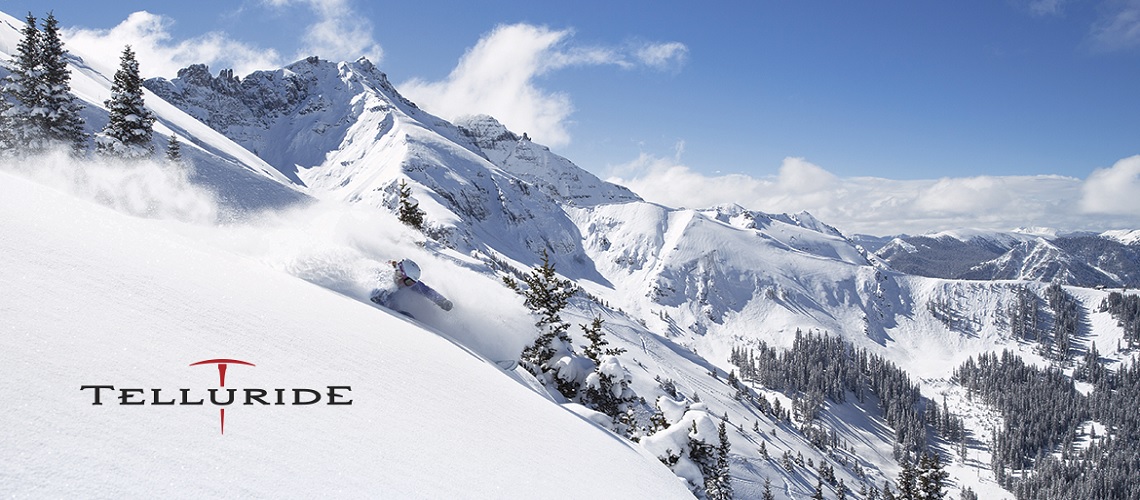
After 13 days on the picket line in what became the longest ski patrol strike in history, the Telluride Professional Ski Patrol Association voted Thursday to ratify a new contract with Telluride Ski Resort, ending a labor dispute that shuttered the mountain during the peak holiday season and sent shockwaves through the community's tourism-dependent economy.
-
Strike duration: 13 days — began Dec. 27, ended Jan. 8.
-
Reopening timeline — Lift 4 scheduled to open first with additional runs to follow this weekend.
-
Contract scope — a new multi‑year agreement covering the 2025–2028 seasons was negotiated and ratified.
-
Local impact — the shutdown forced a near‑complete resort closure during a critical holiday period, affecting businesses in town
The agreement brings patrollers close to a 20 percent pay increase over the life of the contract. The resort announced it would begin reopening more terrain immediately, with a gradual expansion of lift operations planned for the weekend.
While the union expressed "immense pride" in the financial movement achieved, the final agreement represents a significant compromise. The union had initially pushed for a starting wage of $28 per hour to combat the skyrocketing cost of living in the region; the settled contract lands closer to $24 per hour for trainees.
Key highlights of the deal include:
- Overall Increase: A nearly 20% pay increase over the three-year life of the contract.
- Senior Bumps: Significant wage adjustments for veteran patrollers and station leads, though falling short of the union's initial $40/hour goal for the most experienced staff.
- Health & Gear: New provisions for gear stipends and health insurance support, addressing long-standing concerns over the cost of professional equipment.
"While we are ultimately very disappointed to not address our broken wage structure, we are immensely proud of our efforts that have led to this financial movement," the TPSPA said in a statement. "The 'No' votes in our ratification speak to the severity of this issue... increased retention equals increased safety."
The strike’s end follows an intense week of community pressure. On Wednesday, over 100 local merchants and residents marched down Main Street chanting "End it now!" as lodging occupancy plummeted by 59% in the first week of January.
The urgency was compounded by a deadline set by resort owner Chuck Horning, who notified hundreds of idled seasonal workers that their paychecks—which had continued despite the closure—would stop on January 11 if a deal was not reached.
"We are delighted that the two parties came to an agreement today," said resort spokesman Steve Swenson. "It has been a lot of work, but we are confident that this last offer represented a fair compromise."
"We're proud of where we have ended up," TPSPA President Graham Hoffman said in an interview with the Telluride Times. "It's a compromise. Not everyone gets what they want."
The strike began December 27 after months of negotiations failed to produce an agreement. Patrollers were seeking higher wages and a new pay structure that would incentivize employee retention, which they argued was essential for mountain safety and program sustainability.
Negotiations had been at an impasse since December 22, when the union rejected what the resort called its "last, best and final offer." Talks didn't resume until the previous weekend, when the resort revised its proposal for the first time since negotiations stalled.
The strike and resulting closure came at a devastating time for the Western Slope community. The resort shut down completely during the height of holiday tourism, leaving visitors who had planned New Year's Eve vacations without the mountain they came to ski. Only in recent days had the resort reopened limited beginner terrain while negotiations continued.
Telluride Mayor Teddy Errico called the situation unprecedented and expressed relief at the resolution. Local business owners and workers, many of whom supported the patrollers' cause while also facing severe financial strain, had gathered in the streets Wednesday to urge both sides to reach an agreement before irreparable damage was done to the season.
The economic pressure extended beyond retail shops and restaurants. Telluride Ski and Golf had continued paying its seasonal workers during the closure, with paychecks scheduled to end January 11, adding urgency to reach a deal to prevent an exodus of ski area employees.
The community response highlighted the deep economic anxiety in the resort town. The Telluride Foundation's Good Neighbor Fund swelled from forty thousand dollars in reserves to over four hundred fifty thousand dollars in just one week as donors rallied to support financially stressed workers and families. The foundation increased grant sizes to meet demand and is pushing toward a one million dollar fundraising goal.
Ski patrollers at Telluride currently make a minimum of twenty-one dollars per hour, with supervisors averaging about thirty-eight dollars per hour. Those wages stand in stark contrast to the area's crushing cost of living, where average monthly rent reaches eighty-three hundred dollars and one-bedroom apartments run nearly thirty-six hundred dollars, according to Zillow.
The labor dispute reflects broader tensions simmering in Colorado mountain towns, where workers increasingly struggle to afford living in the communities they serve. The Telluride strike is part of a growing wave of ski area unionization, with more than eleven hundred resort workers now represented by unions at fourteen ski areas across four Western states.
Elected leaders in Mountain Village, Telluride and San Miguel County are now planning a marketing blitz to reengage visitors and second homeowners whose holiday vacations were disrupted, while also addressing the deeper community divisions exposed by the strike.
The resolution allows both sides to move forward, though questions remain about the long-term sustainability of mountain resort communities where the gap between workers and wealth continues to widen.