
Quebec's Ski Industry Shows Solid Economic Performance And Significant Increase In Visitors Despite Climate Challenges
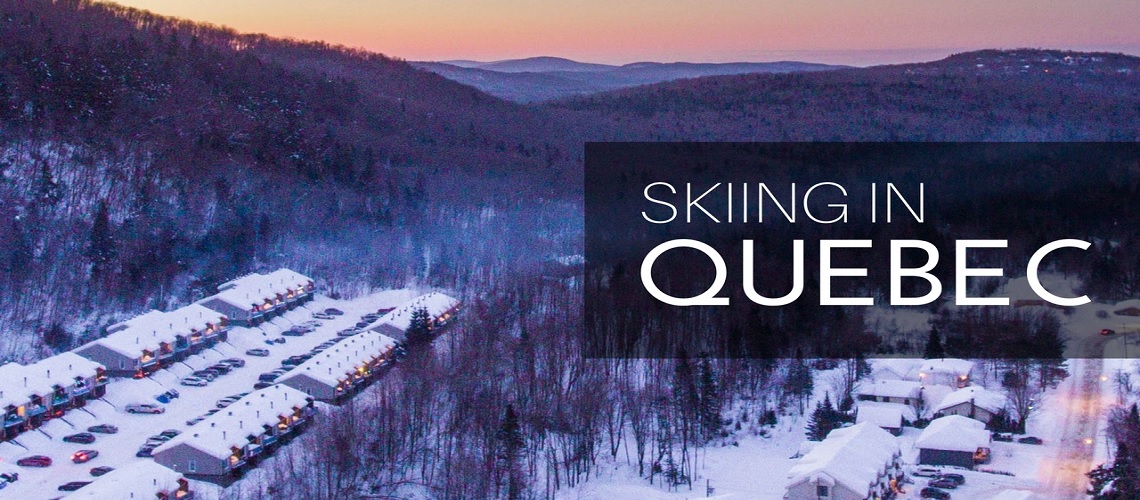
The Quebec Ski Areas Association (ASSQ) unveils the detailed results of the 2024-2025 season. This publication of the Economic and Financial Study of Quebec Ski Areas marks the first edition of this extensive survey conducted by the MCE Conseils team, following more than 35 editions led by Professor Emeritus of Tourism at ESG UQAM, Michel Archambault, Ph.D. The past season stood out by ranking above the average of the last ten years in terms of visitor numbers, posting the third-best performance of the decade with 6.283 million skier-days. This attendance is primarily due to Quebec skiers (78.4%), supported by visitors from outside Quebec (21.7% of visitors), mainly from Ontario.
The 2024-2025 survey results show total revenues of $425 million, a 6% increase, representing the second-best financial result in the last twenty years. When considering only winter-related activities, revenues amounted to $375 million, an 8% increase compared to the previous year.
Season passes continue to play a key role, representing nearly 54% of total skier traffic. Of the 6.283 million skier days recorded across the province, the Laurentians region stood out with just over 2 million skier days, solidifying its dominant position as a tourist destination. It's also worth noting that the increase in skier days in 2024-2025 was also reflected in the performance of ski schools. Total revenues reached $28.2 million, representing a 15% increase compared to 2023-2024.
Last winter was one of the warmest ever recorded in Quebec, which created significant operational challenges: exceptionally high temperatures in December and January limited snow production, while accumulations varied greatly from one region to another, deficient in the south in January but sometimes record-breaking in February and March in the east and parts of southern Quebec.
This climate context has increased the ski resorts' reliance on artificial snowmaking and their ability to adapt in order to keep ski areas open during periods of milder weather. Despite these demanding conditions, the industry is performing robustly, with 90% of private resorts still generating positive operating cash flow, demonstrating the sector's resilience. The 2024-2025 season is generally characterized by increased visitor numbers, higher revenue growth due to higher average prices, and greater revenue diversification.
The assessment of investments in the resort for 2024-2025 confirms the effects of a difficult 2023-2024 season with a result of attendance which ended below the 6 million skier-day mark.
Around forty ski resorts reported making investments in 2024-2025, totaling $53.8 million (-25% compared to the previous year). Of these investments, 38% were for ski lifts, 31% for buildings and winter equipment, and 12% for snowmaking systems.
“ Quebec ski resorts have a promising track record for the future! ” believes Yves Juneau, President and CEO of the Quebec Ski Areas Association. “ Thanks to their capacity for innovation and their constant commitment to providing a quality customer experience, they have reaped the rewards of their hard work with very satisfactory results for 2024-2025. The challenges ahead are significant: our industry must continue to adapt to climate change while finding sustainable solutions to the challenges of access to financing, which has become crucial given the soaring costs of operating and acquiring the technologies needed to offer distinctive mountain experiences, ” Mr. Juneau emphasized.
“Skiing is a flagship activity in our winter tourism offering, and I am pleased that the last season was positive for the resorts. In order to increase the benefits generated by our industry in Quebec, our government is focusing particularly on winter tourism, which is why we will continue to work with the ski sector to increase traffic in our mountains and boost the economy of our communities,” says Amélie Dionne, Minister of Tourism and Minister responsible for the Bas-Saint-Laurent and Gaspésie–Îles-de-la-Madeleine regions.
The completion of this study is financially supported by the Ministry of Tourism.