Last Run: Mt. Jefferson Faces Final Season After Six Decades
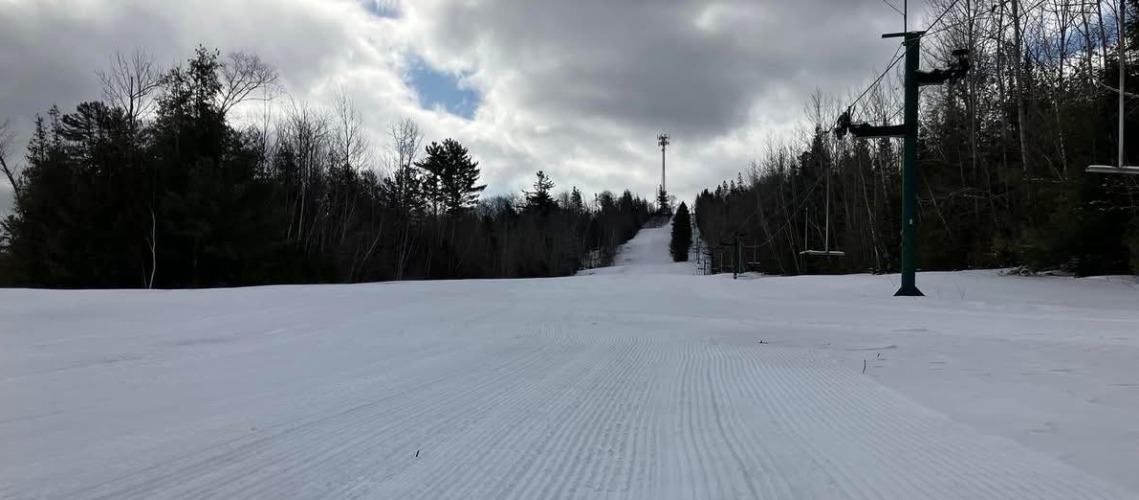
In the small village of Lee, Maine, population roughly 900, a modest hill rises from the landscape with twelve marked runs, three chairlifts, and a stubbornness that has outlasted nearly every other mom-and-pop ski area in the state. But that stubbornness may finally be running out.
Mt. Jefferson announced its opening date of Saturday, January 31, along with a sobering caveat: "This will be our last season ever! Unless we have an amazing turnout."
The conditional closure marks a bittersweet milestone for what has been called the cheapest place to ski in Maine. For the final season, full-day adult lift tickets will cost just 30 dollars, a price point that feels lifted from another era—which, in many ways, Mt. Jefferson is.
When locals in Lee chipped in to install a 2,000-foot T-bar on this hill in the mid-1960s, Mt. Jefferson became one of some 100 alpine ski areas across Maine. Those were the glory days of community skiing, when every town with a decent slope seemed to have its own rope tow and warming hut. Insurance costs, liability concerns, and improved roads that made mega-resorts accessible gradually winnowed that number down to fewer than twenty.
Mt. Jefferson survived through sheer determination and an acceptance of limitations that would bankrupt most modern operations. The area operates without snowmaking capability, relying entirely on natural snowfall in a region that averages around 100 inches per winter. This dependence on natural snow has resulted in decades of delayed January openings, and in December 2020, the hill didn't open at all.
The mountain's vital statistics are humble: 432 feet of vertical drop across twelve marked runs. On clear days, skiers can glimpse Mt. Katahdin from the summit, a reminder that even small mountains can offer big views. The base lodge is simple, the amenities basic. There's one nice diner at the gas station in the village—you can't miss it.
But for those who know it, Mt. Jefferson represents something increasingly rare in modern skiing: a genuine throwback to an era when skiing was about community, accessibility, and the simple joy of sliding downhill on whatever snow nature provided.
Kevin Zimmerman's Mt. Jefferson Ski Resort, LLC, purchased the resort in 2016, taking on the challenge of keeping the area operational against mounting odds. The economics of running a small ski area have never been easy, but climate change, insurance costs, and the escalating expectations of modern skiers have made the equation increasingly difficult.
In an effort to generate revenue and fund necessary improvements, Zimmerman started a logging business, hoping to raise money for a new chairlift. He diversified further, selling tiny homes and firewood during the off-season. The area has attempted to reimagine itself as a year-round family destination, hosting events, adding snow tubing, and exploring camping and concerts.
The pricing strategy has evolved dramatically in response to market pressures. Weekend lift tickets topped out at 60 dollars last winter, but after guest feedback, prices dropped to 45 dollars for the 2024-25 season. Now, in what may be its final season, the area has slashed prices to 30 dollars—a Hail Mary attempt to draw the crowds that could justify keeping the lifts running.
Mt. Jefferson's struggle reflects the precarious state of small ski areas across New England and the nation. Maine went from approximately 100 ski areas in the 1960s to just 19 alpine members in Ski Maine by the time Mt. Jefferson shuttered for the 2019-20 season. Each closure represents not just lost recreation opportunities but the end of community traditions that span generations.
The challenges are multifaceted. Rising infrastructure costs make even basic lift maintenance prohibitively expensive for small operations. Warming winters reduce the reliable snow season, particularly devastating for areas without snowmaking. And nationwide, skiing participation has been declining, with younger generations gravitating toward other activities or finding the sport too expensive and inaccessible.
Mom-and-pop mountains lack the resources to compete with destination resorts that offer high-speed lifts, extensive snowmaking, terrain parks, and the kind of amenities modern skiers have come to expect. Yet they provide something those megaresorts cannot: affordability, accessibility, and a connection to skiing's grassroots traditions.
While Mt. Jefferson's statistics remain humble, the loss would be felt in a region with only three ski areas total. The other two in the immediate area are Hermon Mountain and Pinnacle Ski Club. For families in central Maine, particularly around Bangor, these small areas represent the difference between skiing being part of their winter routine or becoming an occasional expensive pilgrimage to distant mountains.
The social media post announcing the possible closure struck a familiar tone for those who follow small ski areas: defiant optimism tinged with resignation. "Unless we have an amazing turnout" leaves the door open, but it's a heavy door to push against. Six decades of operation have taught Mt. Jefferson's owners what's possible and what's likely.
The potential closure of Mt. Jefferson represents more than the loss of one small ski area. It's another step toward a future where skiing becomes exclusively the province of those who can afford lift tickets that routinely exceed 200 dollars at major resorts, where learning to ski requires a significant financial commitment rather than a short drive to the local hill.
Small areas like Mt. Jefferson have historically served as entry points to the sport, places where families can introduce children to skiing without breaking the bank, where beginners can gain confidence on forgiving terrain, where the experience feels personal rather than industrial.
They're also the last refuges for a certain kind of skiing culture—one that values simplicity, community, and the pure experience of sliding on snow over amenities and après-ski sophistication. In an industry increasingly focused on destination experiences and premium pricing, these humble hills maintain a connection to skiing's more democratic roots.
Mt. Jefferson will open on January 31, weather permitting—always the caveat for a mountain without snowmaking. The 30-dollar lift tickets represent both a last appeal to potential visitors and an acknowledgment that this season isn't about profit margins but survival.
For those who remember when Maine had a hundred ski areas, when every town hill buzzed with local families on winter weekends, Mt. Jefferson's potential closure will feel like watching a familiar landscape erode. For the people of Lee and the surrounding communities, it means losing a piece of their winter identity.
And for the broader skiing world, it's another reminder that the sport's diversity—in terms of access, affordability, and experience—is contracting. When small areas close, we don't just lose vertical feet and trail counts. We lose portals to the past, community gathering places, and alternative visions of what skiing can be.
The opening day is set for January 31. Whether it marks the beginning of an improbable turnaround or the start of one final season remains to be seen. But either way, it's worth making the drive to Lee, buying a 30-dollar lift ticket, and experiencing a piece of skiing history while it still exists.
Because once these mountains go quiet, they rarely come back.