Paris Arbitration Court Orders Scott Sports' Beat Zaugg To Divest Remaining Stake To Youngone
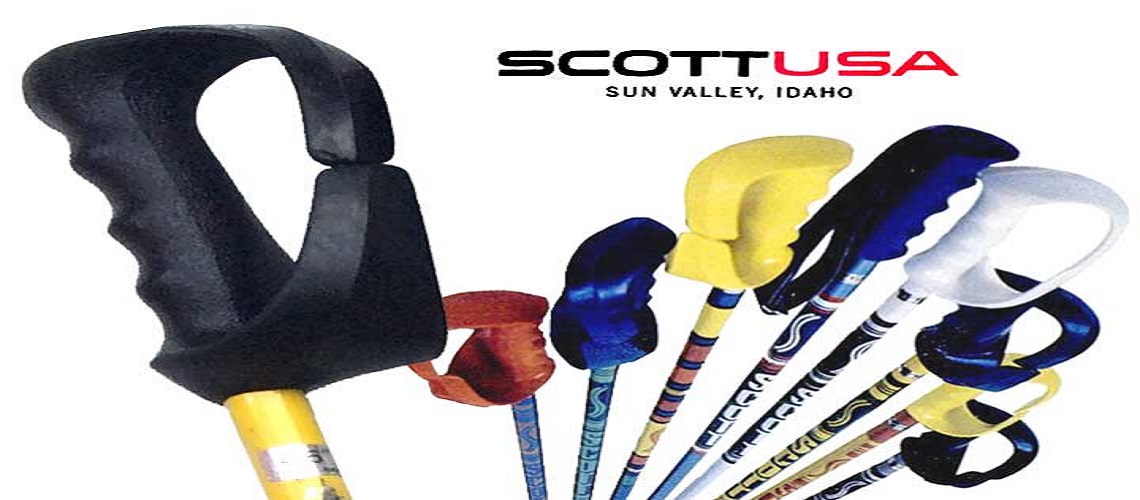
A long-running ownership dispute at Swiss sporting goods manufacturer Scott Sports has been resolved through international arbitration, with far-reaching implications for the company's corporate structure.
A Paris-based arbitration tribunal has ruled that Beat Zaugg, co-founder of Scott Sports, must sell his remaining shares in the company to South Korean conglomerate Youngone Corporation, bringing an end to a protracted legal battle over control of the premium sports equipment brand.
Beat Zaugg, who led a management buyout in 1998 and built Scott into a global powerhouse, had remained defiant throughout the process. He famously dismissed Youngone’s initial attempts to replace him as a "culture clash" and a PR stunt.
However, the Paris ruling leaves him with no legal path to remain in the company he spent nearly three decades shaping. For Youngone, the victory marks the beginning of a "refresh" for the Scott brand. The Korean conglomerate, which also manufactures for brands like Patagonia and The North Face, intends to use its total control to navigate the current downturn in the global cycling market.
"The board is clearly entitled to terminate the employment of the CEO," the company stated in a previous filing. "This decision was taken to ensure Scott's development into a world-class manufacturer."
An arbitration tribunal under the International Chamber of Commerce (ICC) in Paris has ordered the company’s former CEO, Beat Zaugg, to divest his remaining 47% stake in the company to its majority owner, the South Korean Youngone Corporation.
The ruling effectively ends Zaugg's 26-year reign at the helm of the Swiss-based bicycle and outdoor gear giant, granting Youngone nearly 97% ownership and undisputed strategic control.
The tribunal sided with Youngone, finding that Zaugg had committed a "material breach" of the shareholders' agreement. This breach allowed Youngone to exercise a contractual call option to buy out Zaugg’s remaining shares.
The court also dismissed Zaugg’s counterclaims, which had accused the Korean group of attempting to destabilize the company.
The decision marks a significant development in the governance of Scott Sports, which manufactures high-end bicycles, winter sports equipment, and motorsports gear. The company, headquartered in Givisiez, Switzerland, has annual revenues estimated at several hundred million euros and maintains a strong presence in global cycling and outdoor sports markets.
Zaugg, who helped lead Scott Sports and has been instrumental in its development, will now be required to relinquish his equity position to Youngone, the Korean outdoor wear and sporting goods manufacturer that has held a controlling stake in Scott Sports since 2015.
The arbitration proceedings were conducted under the rules of the International Chamber of Commerce (ICC) in Paris, a common venue for complex international commercial disputes. Details of the financial terms and the timeline for the share transfer have not been publicly disclosed, as is typical in private arbitration proceedings.
Industry observers note that the ruling provides clarity on Scott Sports' ownership structure at a critical time for the sporting goods sector, which has experienced significant shifts in consumer demand and distribution channels in recent years. The company competes with major brands including Trek, Specialized, and Giant in the premium bicycle market, while also maintaining positions in ski equipment and protective gear segments.
Youngone Corporation, founded by Korean entrepreneur Sung-Taek Ki, has built a diverse portfolio spanning outdoor apparel manufacturing, retail operations, and sporting goods brands. The company's full acquisition of Scott Sports strengthens its position in the premium sports equipment market and aligns with its broader strategy of vertical integration across the outdoor sports value chain.
Representatives for Scott Sports, Youngone Corporation, and Beat Zaugg declined to comment on the arbitration decision or provide details about the dispute's origins.
The case underscores the complexities that can arise in family-founded businesses as they transition to institutional ownership, particularly in the specialized sporting goods industry where founder expertise and brand heritage often play crucial roles in market positioning.
Scott Sports continues to operate its global manufacturing and distribution network, with production facilities in Asia and Europe serving markets worldwide. The company's product lines include road and mountain bicycles, ski and snowboard equipment, motocross gear, and running shoes, positioning it across multiple high-margin sports equipment categories.
Market analysts will be watching to see whether the ownership consolidation leads to strategic changes in Scott Sports' product development, market expansion, or operational structure under unified Youngone control.