Le Massif Cancels Remainder Of 2026 Ski Season Amid Labor Dispute
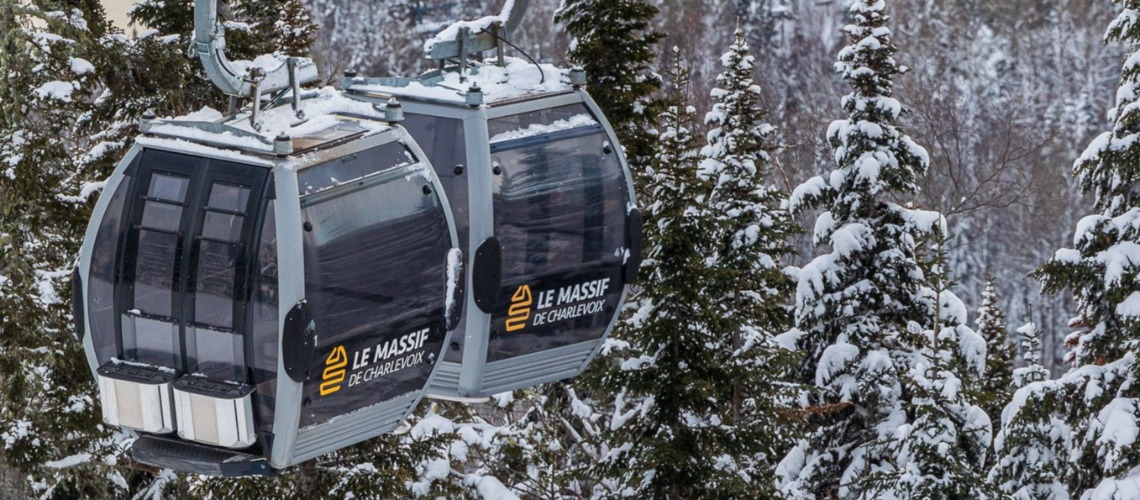
Le Massif de Charlevoix has announced it will not reopen for the remainder of the 2025-26 ski season, citing an impasse in contract negotiations with its unionized workforce that has been on strike since early January.
The decision comes after 300 employees represented by the Syndicat des travailleuses et travailleurs du Massif rejected both a final contract offer and a management proposal to submit the dispute to binding arbitration. The resort, considered one of eastern North America's premier ski destinations, had warned that continuing operations beyond the end of January would be impossible without a resolution.
The final decision came after the Syndicat des travailleuses et travailleurs du Massif (affiliated with the CSN) rejected management’s latest contract offer and a proposal to enter into binding arbitration.
According to Groupe Le Massif, the timing was critical. Management stated that a return to work was required by January 20 to complete essential artificial snowmaking. Quebec regulations require the resort to fill its water reservoirs by January 31, a deadline that the resort says is now impossible to meet without a full staff.
"We note today with great sadness that Le Massif de Charlevoix... is once again facing an uncertain future," said Claude Choquette, president of Groupe Le Massif. "The refusal to return to work prevents us from providing artificial snow coverage across the mountain to ensure safe conditions, making the continuation of the season unviable."
The labor dispute began when the collective agreement covering approximately 300 employees expired on December 31, 2025. Workers launched an unlimited general strike on January 2, 2026, forcing the initial closure of all mountain operations including lifts, food services, retail shops, and tobogganing.
Union president Annick Simard said workers felt compelled to take dramatic action after management showed little urgency in addressing their concerns during the initial 10-day strike mandate. Workers subsequently voted 95 percent in favor of extending the strike indefinitely.
Wages emerged as the central sticking point in negotiations. While specific salary figures have not been publicly disclosed, the union characterized management's wage proposals as insufficient compared to recent settlements at other Quebec ski areas and inadequate to meet rising costs of living in the region.
Beyond compensation, workers pushed for improvements in several other areas including restrictions on subcontracting resort roles, increased sick leave and vacation time, and enhanced safety protocols for equipment maintenance and operations.
The two sides have offered sharply different accounts of how negotiations broke down.
Union representatives accused resort management of withdrawing from scheduled bargaining sessions and failing to present all contract proposals to workers for consideration. They framed the strike as a necessary step to secure fair treatment for employees who work demanding seasonal jobs on the mountain.
Management, meanwhile, questioned what it called the union's "hasty" decision to launch an indefinite strike just days after the previous contract expired. Executive Vice President Charles-Antoine Choquette said the resort had made two wage offers that were rejected, and characterized the union's counter-proposal as requesting increases that "represent an overbid compared to market rates."
The resort attempted a limited reopening in early January, bringing in managers to operate the Camp-Boule sector for passholders and lodging guests on a restricted schedule. However, with most services including cafeterias, bars, rental shops and repair facilities remaining closed, the partial operations could not be sustained long-term.
The closure deals a significant blow to the Charlevoix region's winter tourism economy. Nearby hotels, restaurants and other businesses that depend on skier traffic have reported cancellations and lost revenue throughout the strike period.
Families and visitors who had planned trips to Le Massif found themselves scrambling for alternatives, with some redirecting to other Quebec resorts while others cancelled winter vacation plans entirely.
The resort had been enjoying a strong start to the season following its December 6 opening, with good early-season snowfall creating optimistic conditions before the labor dispute erupted.
The cancellation announcement came just weeks before Le Massif typically sees its busiest period, including the February school break when families flock to the mountain. Season passholders, including those with Ikon and Mountain Collective passes, and guests with pre-purchased lift tickets, lessons and rentals are being offered refunds for services they cannot use.
The Le Massif situation reflects growing labor unrest across North America's ski industry this winter. Workers at Telluride Ski Resort in Colorado have also been on strike since late December following their own contract dispute, though that action has been limited to ski patrol rather than the resort-wide walkout seen in Quebec.
The labor tensions at Le Massif have added complexity to ongoing discussions about the future of Quebec's ski resort industry. The provincial government is currently weighing whether to renew or terminate the lease held by Resorts of the Canadian Rockies at nearby Mont-Sainte-Anne, which has faced criticism over operational issues.
Le Massif's ownership has expressed interest in acquiring Mont-Sainte-Anne, but the labor dispute at their own resort may complicate those ambitions as provincial officials scrutinize the stability and management practices of potential operators.
The resort has not announced when or whether it might attempt to reopen for the 2026-27 season, saying only that it remains committed to providing high-quality mountain experiences while maintaining safety and responsible management standards.