Rieseralm In Obdach Hosted The 7th Styrian Ski Lift Day
Idyllic, refined, and family-friendly: that's how the mostly family-run smaller ski resorts in Styria present themselves. Take the Rieseralm, for example, which has had a drag lift since 1966 – one of the oldest still in operation. It's in small ski resorts like this that children's eyes light up when they glide down the glistening slopes for the first time. Some of them even become world champions: Renate Götschl trained in Obdach. And the others become the skiers of tomorrow. "50 million winter sports enthusiasts vacation in Austria every year, and 3.7 million come to Styria," emphasized Oliver Käfer, Managing Director of the Cable Car Division of the Styrian Chamber of Commerce.
Small ski resorts as the cradle of winter sports
Small ski resorts are therefore important, but they also face challenges. "Until 2011, we relied solely on natural snow," explains Patrick Stocker from the Rieseralm. They decided to continue – with modern snowmaking. Because, as he emphasizes, "Where the lifts disappear, the skiers disappear – and with them, the economic benefits for the entire region." Peter Bacher, mayor of Obdach, also stressed the importance of the T-bar lift operators: "The large ski resorts depend on the continued existence of the small ones. Because this is where children learn to ski." Isabella Painhapp from the Murtal Tourism Association echoed this sentiment: "There are seven ski resorts of this family-friendly size in the Murtal region. They motivate children and young people to ski."
Check and document: Better safe than sorry!
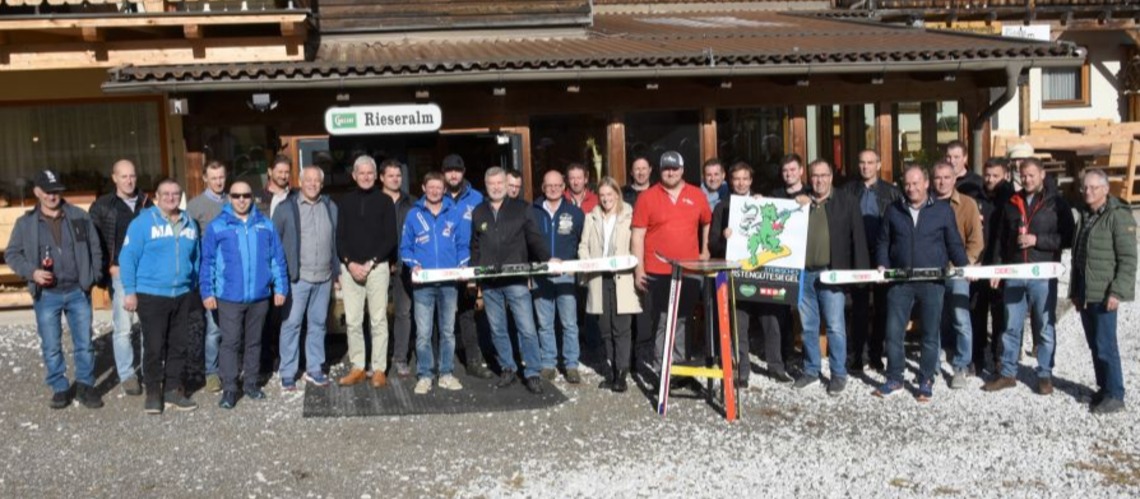
Planning, checking, documenting: Christian Felder, chairman of the Federal Technical Committee of the Austrian Cable Car Association, traveled from Tyrol to present the most important aspects of technology and safety to the approximately 40 conference participants. Who is liable when and how? What should an operational logbook look like, one that serves as proof of due diligence in an emergency? There were many questions, and just as many answers. Attention was also paid to details such as wear and tear and soiling, which can either be mitigated in time or end up costing a fortune later. Prevention is better than cure, was his motto.
For maximum safety in the snow
Safety is paramount on the slopes – but where does it actually begin and end? Thomas Weihs, chairman of the slope quality seal commission, explained the difference between groomed slopes, ski routes, and "off-piste" areas, emphasizing that not everything is the responsibility of the operators: "You have to know the FIS rules – just like you know the traffic rules as a cyclist." He added that there are typical hazards, such as trees, and atypical ones: these are man-made objects that require extra safety measures.
First aid: When every minute counts
Thomas Pitzer, technical director at the Planai-Hochwurzen cable cars, discussed the details of the conveyor belt system, also known as the magic carpet. Strict rules apply here as well to ensure guest safety. A plea for personal protective equipment for employees was essential: "Acceptance is liability!" the expert emphasized, "those who do nothing can be held responsible." Georg Fritsch, a physician and court-certified expert for ski patrol, concluded by providing insights into the work of first responders in the snow, describing typical skiing and snowboarding injuries, and appealing to lift operators to regularly maintain and inspect life-saving equipment such as vacuum mattresses. Fritsch is also a member of the ski slope quality seal commission. The Styrian ski slope quality seal is awarded annually to ski resorts for their high standards of safety and comfort.