National Safety Month: Inside the Training that Powers Ski Patrol Rescues
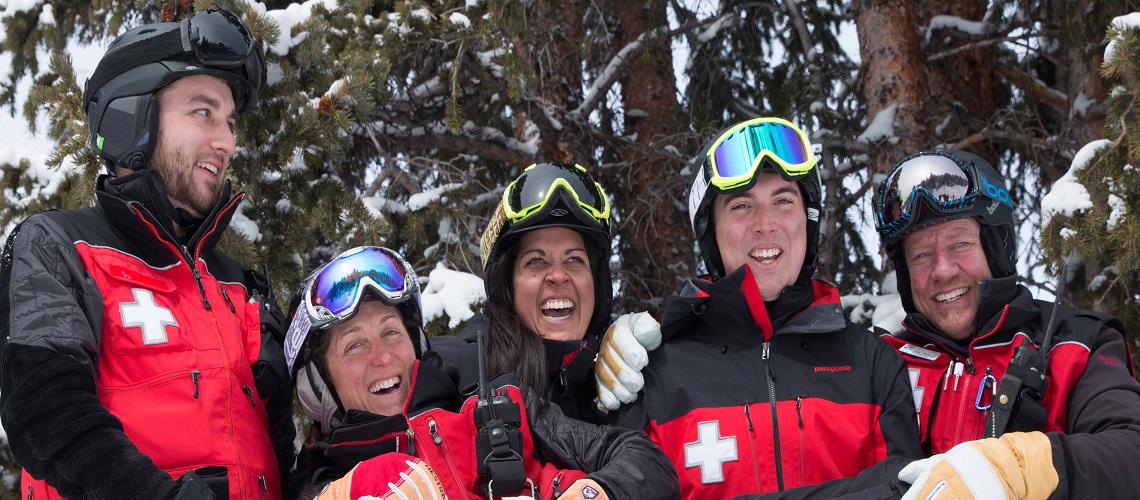
January is National Safety Month for the ski industry, and National Ski Patrol (NSP) is highlighting the rigorous medical and rescue training that prepares patrollers and that forms the backbone of every safety response on the mountain.
With more than 30,000 members, NSP delivers one of the industry’s most advanced education pipelines — one that prepares patrollers not only to respond to emergencies, but to help ski areas operate confidently in a high-consequence environment. Patrollers are trained as mountain-safety professionals, combining advanced medical skills with technical rescue capabilities, operational awareness, and risk-management expertise, which collectively enhance the safety of every guest on the slopes.
A safe day on the slopes starts long before anyone puts on skis and a helmet,” said Stephanie Cox, CEO of the National Ski Patrol. “Our patrollers put in hundreds of hours of training, so they’re ready for whatever the mountain throws at them. When a ski area knows its patrol is NSP-trained, they know they have a team prepared to handle complex emergencies and to help keep the mountain running safely.”
Patrollers train year-round to stay ready for avalanche work, gondola or chair evacuations, medical cases, search and rescue, and unpredictable scenarios that are unique to winter operations. Their preparation includes a combination of technical coursework, hands-on drills, and scenario-based training that reflects ever-changing mountain conditions. Key elements include:
- Outdoor Emergency Care (OEC): NSP’s flagship medical program, required for all patrollers, delivers a comprehensive curriculum built for the realities of winter terrain. OEC equips patrollers to manage trauma, environmental injuries, and medical crises in remote and difficult conditions.
- Outdoor Emergency Transportation (OET): Training focused on safe patient transport and toboggan handling across a mix of terrain — essential for handoff to higher levels of medical care.
- Annual Refresher and Continuing Education: Every NSP patroller completes yearly OEC and OET refreshers to maintain proficiency with the latest medical protocols, rescue techniques, and operational standards.
Beyond core training, NSP offers advanced and specialized education that directly supports resort operations and guest safety, especially in high-risk areas:
Avalanche Education: As a long-standing provider of avalanche education in the U.S. – and title sponsor of the National Avalanche School – NSP trains patrollers in forecasting, mitigation, and rescue, supporting both in-bounds control work and backcountry operations.
- Outdoor Risk Management (ORM): Instruction in liability, legislation, and operational risk, preparing patrollers to work alongside resort leadership on strategic safety decisions.
- Mountain Travel and Rescue (MTR): Training for extended or remote responses, including navigation, survival skills, and patient care in variable backcountry settings.
By continually advancing its education and training standards, National Ski Patrol reinforces its role as an industry leader of mountain safety and as an essential partner to ski areas nationwide.
“National Safety Month is not only about awareness — it's about recognizing the patrollers and people whose training helps keep our mountains operating safely every day,” Cox added