65-Storey, 260-Meter-High Skyscraper Proposed For Zermatt. No It’s Not April 1st
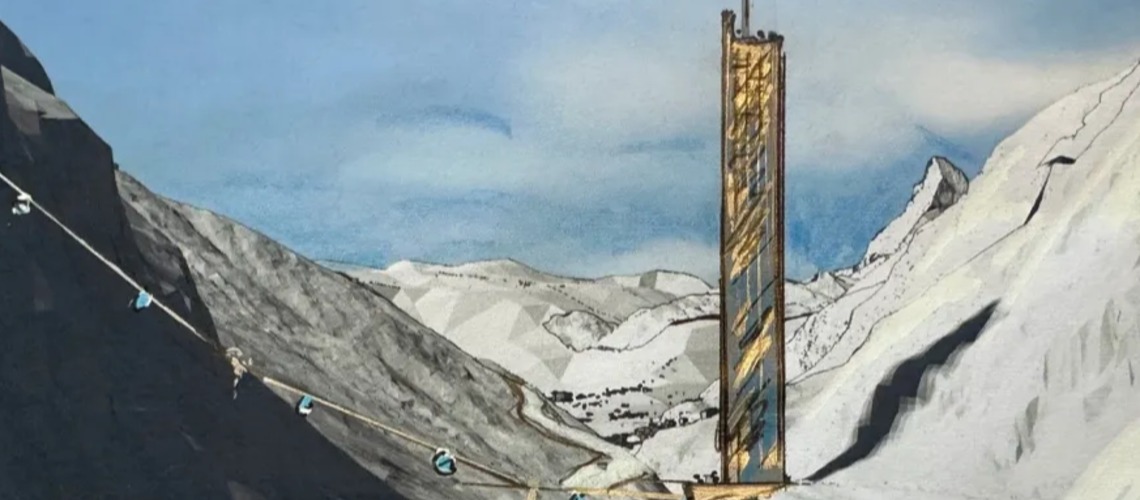
A radical proposal to erect a 65-storey, 260-meter skyscraper at the foot of the iconic Matterhorn has ignited a fierce debate in the traditional, car-free Swiss resort of Zermatt. Local architect and entrepreneur Heinz Julen has unveiled plans for the massive structure, dubbed "Lina Peak," as a bold, half-billion Swiss franc solution to the region's acute housing shortage.
They might be serious, but SIN can hear the the sound of men in flapping white coats in the distance.......
Julen frames the tower as a pragmatic response to Zermatt’s acute housing crunch: the village’s permanent population of around 6,000 swells to more than 40,000 in peak season, leaving seasonal workers and service staff with few affordable options. The design follows a densification strategy more typical of cities than mountain resorts, concentrating accommodation on a small footprint to preserve surrounding land while increasing capacity vertically
Julen’s vision is to create a “vertical village” on a small plot of farmland outside the main village, arguing that building upward is the only remaining option to prevent urban sprawl in the tightly constrained valley.
The proposed mixed-use tower is designed to consolidate various amenities and living spaces:
- Affordable Housing: The lower 32 floors (from the 2nd to the 32nd) would be reserved for relatively affordable housing for local residents and seasonal tourism staff.
- Luxury Residences: The upper floors (33rd to 62nd) would feature high-end, luxury apartments intended primarily for foreign buyers, the sales of which would cross-finance the entire project.
- Public Amenities: The base of the tower would include a public swimming pool, a sports center, retail shops, a day nursery, and a 2,500-seat concert hall, alongside 1,000 parking spaces.
The project, which would become the tallest building in Switzerland, has met with a mixed public reception, oscillating between enthusiasm for its pragmatic solution and indignation over its impact on the world-famous landscape. Critics argue that a 260-meter concrete and glass structure would irreparably disrupt the visual harmony and traditional aesthetic of the Alpine village.
"We have no more space to build outward — the only solution is to build upward," Julen told Swiss media, describing the tower as "a rock in the surf" that would relieve pressure on the existing town.
The proposal has split opinion in Zermatt. Supporters — including some hoteliers and business owners — argue the tower could stabilise the local workforce, reduce commuting and ease pressure on rental markets. Critics counter that a skyscraper would clash with the traditional alpine aesthetic, threaten views of the Matterhorn, and set a precedent for further high‑rise development in a protected mountain landscape. Public debate has been vigorous, with residents and conservationists calling for careful scrutiny of environmental, visual and infrastructure impacts.
Beyond design and sentiment, practical questions remain. Planners will need to assess transport links, utilities, avalanche and geological safety, and the carbon footprint of constructing and operating a tall building at 1,600 metres above sea level. Proponents point to the potential long‑term economic benefits of retaining staff locally and expanding year‑round housing supply; opponents warn of hidden costs and the risk of eroding the resort’s heritage character.
The project is still at the proposal stage. Organisers say the tower is intended to be a serious contribution to solving Zermatt’s accommodation crisis, but it must pass municipal approvals, environmental reviews and likely a period of public consultation before any construction decision is made. The debate has already broadened beyond local planning to a wider conversation about how mountain destinations balance tourism growth, housing needs and landscape protection
However, the path to construction is long and complex. The proposed site is currently designated as an agricultural zone, meaning Julen must first successfully petition for a major zoning change. This requires gathering 600 signatures from local residents, which would trigger a mandatory popular vote (referendum) on the land's reclassification.