Representatives From Liftco’s, Tourism, Alpine Rescue, Air Rescue, Medicine, & Government Agencies Accept Meeting Invitation Of Tyrolean Chamber Of Commerce
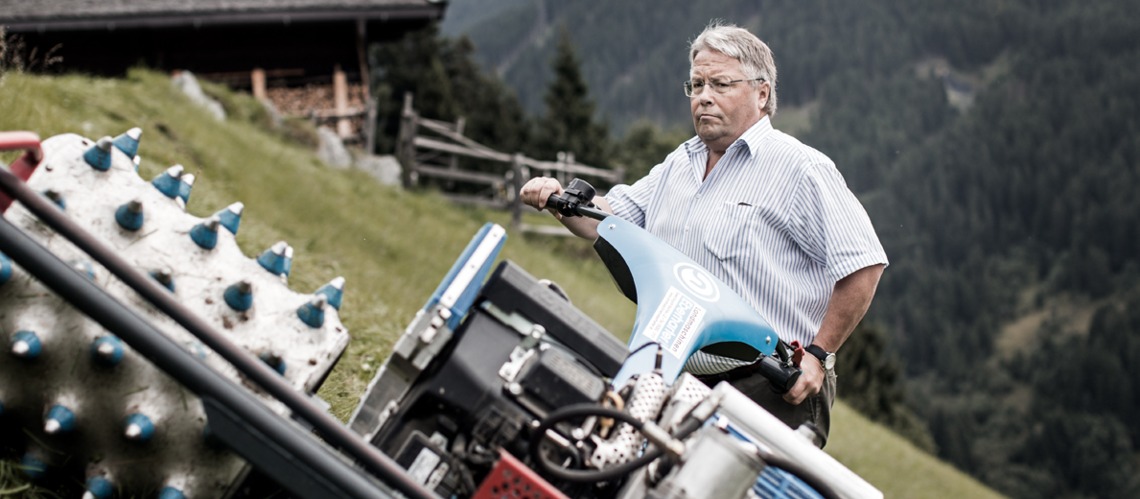
Around 110 representatives from the cable car industry, tourism, alpine rescue, air rescue, medicine, and government agencies accepted the invitation of the Tyrolean Chamber of Commerce (WK Tirol), Cable Car Division, and the medalp Sportclinic to the Alpenrast Tyrol in Mils near Imst. This second "Summit Meeting – Safe Through the Winter" focused on the topics of safety and quality of care and communication within the rescue chain. With this "Summit Meeting," the Tyrolean Chamber of Commerce and medalp aim to provide a regular platform for joint discussion and reflection on current issues and events.
This year's focus was primarily on the safety and quality of care, as well as communication within the rescue chain. Accordingly, the keynote speeches addressed highly topical issues: "Rescue Operations and Ski Slope Safety: Liability for Rescuers?", "Digital Incident Documentation", and "Clinical Treatment of Winter Sports Injuries". Following the presentations, the event once again provided a platform for professionals and decision-makers from the rescue community to jointly examine these challenges in alpine safety management and discuss potential solutions.
In his welcoming remarks, National Council member Jakob Grüner, in his capacity as the official representative of the State of Tyrol, emphasized that the province, like almost no other region, stands for professionally organized alpine tourism. "This entails the responsibility to set international standards, particularly in the area of safety. Events like this summit promote precisely the kind of networking that is needed for a future-oriented alpine infrastructure."
The importance of the close cooperation between businesses and rescue organizations was also emphasized by National Council member Franz Hörl, chairman of the cable car division of the Austrian Federal Economic Chamber (WKÖ): “Safety is no accident – it is the result of training, technology, and collaboration. The summit demonstrates that we in Tyrol have a unique interplay of these factors, unparalleled in Europe. This strengthens not only the confidence of our guests but also the entire business location.”
Stefan Mangott, representative of the Tyrolean Chamber of Commerce's cable car division and co-organizer representing Reinhard Klier, emphasized: "Our cable car companies are continuously investing in modern facilities, sustainable energy supply, and training. This ensures that skiing in Tyrol remains not only an emotional but also a safe experience. The summit meeting provides a platform to further develop this responsibility together."
Finally, Dr. Alois Schranz, representing the medalp Sportclinic and co-organizer, added from a medical perspective: “Our task is to provide the best possible care for people after an accident, but also to prevent accidents through prevention and training. Local general practitioners have been making a significant contribution to the care of winter sports accident victims for years. The exchange with ski patrol, air rescue, and the emergency control center also helps us to continuously optimize the entire rescue chain.”
Current data from winter tourism demonstrates why professional collaboration among all involved parties – from ski patrol and control centers to helicopters and rescue teams, right through to medical care in hospitals – is essential. With over 20 million skier days annually in Tyrol and 521 million passenger trips across Austria, ski tourism is one of the most important economic sectors. The positive health benefits of exercise in the fresh air are particularly valued. Nevertheless, on average, 0.6 injuries occur per 1,000 skier days, with lack of fitness and cardiovascular problems being the main causes. Sixteen emergency medical helicopters contribute to the care of those injured on Tyrol's slopes, eight of which are in operation year-round and another eight seasonally from November to April. In 2024, 5,323 helicopter missions were recorded in the alpine region, around 40 percent of them during the winter quarter.
On a positive note, the number of injured persons has decreased by around 60 percent in the past 30 years, which is partly due to the fact that 92 percent of skiers now wear helmets.
The discussions included prominent representatives from the cable car industry, tourism, alpine police, mountain rescue, air rescue, and other rescue organizations, as well as the medical profession from across Tyrol. They all agreed that the 2025 summit once again underscored that Tyrol's strength lies not only in its mountains, but also in the cooperation of those who ensure their safe access. This close collaboration between businesses, rescue services, and medical institutions guarantees that Tyrol will continue to have a safe winter experience – for both visitors and locals alike.
In the run-up to the 2025 summit, two workshops for ski patrol and alpine emergency services took place in the afternoon.
In the workshop “Safe cooperation with the helicopter in slope operations”, Hubert Becksteiner and Claudia Juen-Becksteiner from Martin Air Rescue provided valuable insights into safe procedures, communication and tactical approaches – supplemented by practical training directly on the emergency medical helicopter.
Subsequently, the “Medical Refresher with Megacode Resuscitation Training” led by Dr. Ulrike Butz and Martin Gstrein (medalp Sportclinic Imst) offered an intensive refresher of core medical competencies, including realistic Megacode Resuscitation Training.
The workshops provided a professional prelude to the summit and underlined the importance of continuous training for safety and quality in winter ski slope and rescue operations.