Air Quality Measurements In Engelberg: Pollution From Winter Tourism Is Lower Than Expected
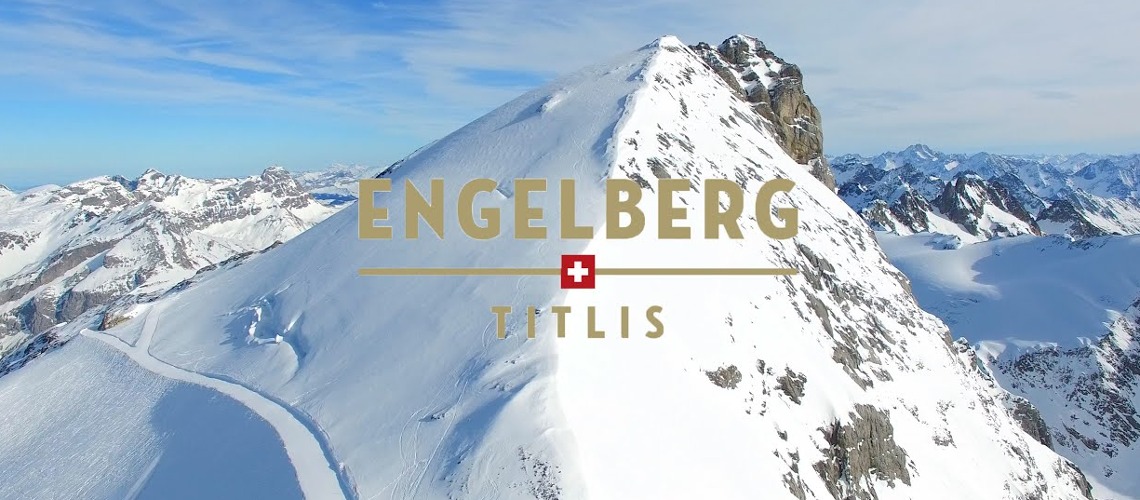
Report from Environment Central Switzerland says Engelberg attracts around half a million visitors during the winter season. A new report shows that the air pollutants caused by this increased traffic do not exceed the legal limits. However, the nitrogen oxide levels are higher than the Swiss average.
The Engelberg-Trübsee-Titlis cable cars operate one of the largest ski areas in the region. The Brunni cable cars also generate significant visitor traffic. Each winter season, the destination attracts around half a million people, most of whom are day visitors arriving by private vehicle. To assess potential health risks from air pollutants for the local population, air quality measurements were conducted in Engelberg.
The measurements were carried out in 2024 on behalf of Umwelt Zentralschweiz (Central Switzerland Environment Agency). They were conducted by inNET Monitoring AG, which has now published the results in the "Engelberg Emissions Report." A key reason for the investigations in Engelberg is the assumption that cold-start emissions, particularly during the winter season, have a significant impact on air pollution levels.
Cold start emissions occur when the catalytic converters of combustion engine vehicles have not yet reached their operating temperature during the first few minutes of driving, and therefore relevant air pollutants are not eliminated. Since winter sports enthusiasts typically leave Engelberg after a five-minute drive in the evening, the majority of these pollutants remain in the village. Furthermore, temperature inversions are common in winter, causing pollutants to accumulate in the lower atmosphere.
Results: Particulate matter and nitrogen oxides are below the limit values.
The report first analyzed the 2024 emissions measurements taken at the Engelberg site and compared them with existing measurements from 2009 and 2011. Secondly, it compared these measurements with those from the two other sites, Altdorf and Lucerne Moosstrasse. The conclusion: The air pollutants thankfully do not exceed the limits set by the Clean Air Ordinance (LRV). The results are as follows:
- Fine particulate matter: The fine particulate matter (PM10) pollution in Engelberg is comparable to other locations and has decreased at a similar rate since 2009 as in the nationwide comparison. Sources of fine particulate matter include traffic (combustion engines) and wood-burning heating systems.
- Nitrogen oxides: Nitrogen oxides (NO and NO2) have decreased significantly less in Engelberg than in the Swiss average. This may be due to a considerable proportion of cold-start emissions, especially since pollution levels are significantly higher during the afternoon and evening hours of winter weekends.
- Soot: Soot pollution in Engelberg exceeds the recommended guideline values (not limit values) year-round. Sources of soot include traffic (combustion engines) and wood-burning heating systems. During the winter months, these account for almost half of the emissions.
Mitigation measures
The high volume of traffic generated by winter tourism is a problem for the affected communities throughout the Engelberg Valley. This is reflected in the comparatively high nitrogen oxide levels in Engelberg. Nevertheless, no exceedances of the applicable emission limits were detected in Engelberg during the measurements carried out.
For environmental and climate protection reasons, a further reduction in pollutants is nevertheless desirable. The report lists possible measures for reducing pollution levels in particularly affected areas.
Possible measures
- Further incentives for traveling by public transport should be created. The bus service on the Wolfenschiessen–Engelberg route was already expanded in spring 2025. The aim is to establish a half-hourly train service on the Lucerne–Engelberg route in the future.
- Introduce cheaper parking rates for electric vehicles.
- Promote or mandate filter systems for wood-burning heating systems in private households.
More here